

Tooth loss affects more than the ability to chew comfortably. In many cases, it also changes the way the face looks and ages. When a tooth is lost, the underlying jawbone gradually shrinks due to a lack of stimulation. Over time, this reduction in bone volume can alter the contours of the cheeks, lips, and lower face. For many patients in the capital, concerns about appearance are just as significant as concerns about function.
Table of Contents
Dr. Sahil Patel of MaryleboneSmileClinic notes that patients are often surprised by the connection between missing teeth and facial ageing. He explains that timely intervention can help maintain both bone density and soft tissue support, which in turn protects facial harmony. He advises those considering treatment to research their options carefully and review before-and-after cases on the clinic’s website; prospective patients can click here to explore educational resources and understand what implant treatment involves before arranging a consultation.
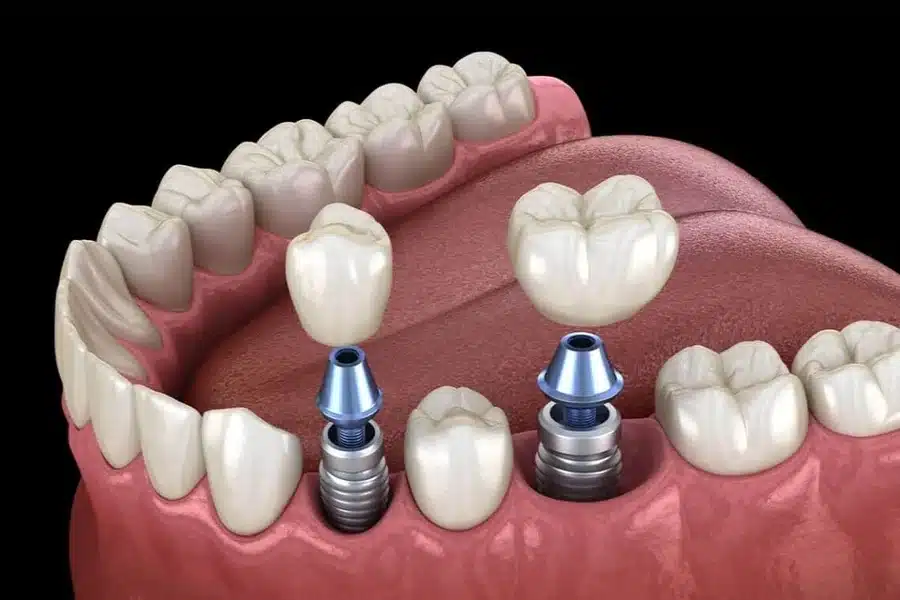
In London clinics, practitioners regularly explain that replacing a missing tooth is not solely about restoring a smile. It is about maintaining facial proportions and preventing the sunken appearance that can develop when bone loss progresses. Treatments such as dental implant London are often discussed within this wider context of facial balance and long-term aesthetic planning. By anchoring directly into the jawbone, implants can help preserve the structural support that natural teeth once provided.
The following sections explore five key ways dental implants contribute to facial aesthetics, based on the insights of London dental professionals who routinely manage complex restorative and cosmetic cases.
Preserving Jawbone Density and Preventing Premature Ageing
The ability of dental implants to maintain jawbone density is among its most important aesthetic advantages. Chewing and other daily activities stimulate the bone through natural tooth roots. That stimulation stops when a tooth is extracted without being replaced, and the body starts to resorb the bone that is no longer needed. This may result in noticeable alterations to facial structure over the course of months and years.
London dentists frequently observe that bone loss in the lower face contributes to a collapsed or prematurely aged appearance. The chin may appear closer to the nose, and fine lines around the mouth can deepen as soft tissues lose underlying support. Dental implants are unique among tooth replacement options because they act as artificial roots. Once integrated with the bone, they help maintain the natural cycle of stimulation and renewal.
This preservation of bone has a direct impact on facial aesthetics. By maintaining volume in the jaw, implants support the cheeks and lips, reducing the risk of a hollow or sunken look. In a city where professional and social confidence often go hand in hand, patients value treatments that address both health and appearance in a single procedure.
Professionals also point out that early intervention is critical. The longer a gap remains untreated, the greater the bone loss may become, potentially requiring additional procedures such as bone grafting. From an aesthetic perspective, preventing bone deterioration in the first place is far simpler than rebuilding lost structure later.
Supporting Lip and Cheek Contours
Facial aesthetics depend heavily on subtle proportions. The lips and cheeks rely on the teeth and jaw for support, much like a framework beneath fabric. When teeth are missing, especially in the front of the mouth, this framework weakens. The result can be thinner-looking lips, flattened cheeks, and changes in profile.
Dental implants help restore this internal support system. Because they are fixed securely within the jaw, they provide stability comparable to natural teeth. This stability allows the surrounding soft tissues to sit in a more natural position. London cosmetic dentists often emphasise that this benefit is particularly noticeable in patients who have lost multiple teeth or who have worn removable dentures for years.
Removable dentures can sometimes accelerate bone loss due to pressure on the gums without stimulating the underlying bone. Over time, this may lead to a progressively altered facial profile. By contrast, implants transfer chewing forces directly to the jawbone, supporting both function and appearance.
For patients considering a dental implant London clinics offer as part of a comprehensive treatment plan, the goal is not simply to fill a gap. It is to restore the natural contours of the lower face. In many cases, subtle improvements in lip fullness and cheek definition occur without any additional cosmetic procedures, as the structural foundation is re-established.
This structural approach to aesthetics reflects a broader trend in modern dentistry: addressing the root cause of facial changes rather than masking them.
Enhancing Smile Symmetry and Proportions
Aesthetic dentistry in London increasingly focuses on harmony rather than uniform perfection. Smile design involves careful consideration of tooth size, shape, alignment, and how these elements relate to the rest of the face. Missing teeth can disrupt this balance, creating asymmetry that draws attention when a person speaks or smiles.
Dental implants allow clinicians to recreate the natural emergence of a tooth from the gum, which is critical for realistic results. Unlike traditional bridges, implants do not rely on adjacent teeth for support. This independence gives dentists greater control over positioning and angulation, helping to achieve symmetry across the smile.
Professionals also highlight the psychological impact of restored symmetry. When gaps are visible, individuals may unconsciously alter their facial expressions to hide them. This can affect overall facial animation and perceived confidence. By restoring complete dental arches with implants, patients often regain a relaxed, natural smile.
In complex cases, digital planning tools are used to assess how implant placement will influence the final aesthetic outcome. Three-dimensional imaging enables precise positioning, ensuring that crowns are proportionate to neighbouring teeth and compatible with the patient’s facial features. This meticulous approach supports a result that looks integrated rather than artificial.
The aesthetic value of implants therefore extends beyond the individual tooth. It lies in the restoration of balanced proportions that complement the entire face.
Providing Long-Term Stability Compared with Temporary Solutions
Facial aesthetics are not static. They evolve over time, influenced by ageing, lifestyle, and oral health. Temporary tooth replacement options may address short-term concerns but often fail to offer the structural stability needed to protect facial contours in the long term.
Bridges and dentures can be effective in certain cases, yet they do not replicate the function of a natural tooth root. As a result, bone resorption may continue beneath them. London practitioners frequently see patients who initially chose removable options but later seek implants after noticing progressive changes in facial shape.
Dental implants are designed to be durable and stable for many years when properly maintained. This longevity contributes to consistent facial support. Rather than adapting to shifting dentures or recurring adjustments, patients benefit from a fixed solution that maintains alignment and bite.
For those researching dental implant London providers, understanding this long-term perspective is essential. The investment is not only financial but also structural. By supporting the jawbone and maintaining correct bite relationships, implants help preserve lower facial height and prevent the inward collapse that can accompany advanced tooth loss.
From an aesthetic standpoint, stability equates to predictability. Patients can expect their facial proportions to remain more consistent over time, provided they follow professional advice on oral hygiene and attend regular reviews.
Integrating Dental Implants into Comprehensive Aesthetic Plans
In many London practices, dental implants are part of broader treatment strategies that may include orthodontics, veneers, or periodontal care. Rather than viewing implants in isolation, clinicians assess how they interact with the entire oral and facial complex.
For example, in patients with uneven gum levels or worn teeth, implant placement may be coordinated with other procedures to achieve uniformity across the smile. The aim is to create a cohesive result that aligns with the patient’s age, facial features, and personal preferences. Advanced imaging and digital smile design software support this integrated planning process.
Professionals also consider the impact of implants on speech and muscle function. Properly aligned teeth influence how facial muscles operate during conversation and expression. By restoring correct bite relationships, implants can subtly enhance the way the lower face moves, contributing to a more balanced appearance.
In a city where aesthetic standards are high but expectations are realistic, patients increasingly seek treatments that offer both functional and visual benefits. Dental implants meet this demand by addressing bone health, soft tissue support, and smile design in a single, evidence-based solution.
Ultimately, the aesthetic advantages of implants stem from their biological compatibility and structural integrity. They work with the body rather than around it, preserving the foundations of the face while restoring everyday function. For many Londoners, this combination of practicality and subtle enhancement makes implants a central component of modern dental care.
